Basic Approach
The TRE Group believes that human resources are the foundation for sustainable business continuity and considers the creation of pleasant and fulfilling work environments a priority task.
Our employees are the driving force behind all of our corporate activities. The TRE Group clearly declares its commitment to prohibiting gender discrimination and child labor in its Code of Conduct, and is striving to promote diversity and inclusion to provide all employees an equal opportunity to utilize their unique talents. Additionally, in order to enhance our corporate value while adapting to changes in the external environment, it is essential that we work to attract and retain personnel with diverse values and provide them with opportunities to foster their growth. By creating a work environment where a diverse workforce can exhibit their abilities to the fullest and work with enthusiasm and peace of mind, we aim to build an organization where both the Group and its employees can continue to grow sustainably.
Creating Pleasant and Fulfilling Working EnvironmentsMaterial Issue
- Material Issue
- Creating pleasant and fulfilling working environments
- Our Goal
- We aim to provide working environments where diverse talents can work actively with peace of mind and where all individuals can display their potential to the fullest.
- Key Performance Indicators (KPIs)
-
- Increase the rate of male employees taking leave for childcare purposes* to 100% by 2030.
- Reduce workplace accident frequency to average of all industries by 2030.
- Double the number of women in managerial positions by 2035.
Employee
Action plan
- Create workplaces where anyone can work in health and safety and with peace of mind.
- Promote work-life balance.
- Develop the human resources that will support the company’s sustained growth by carrying out all kinds of training and providing a system to support obtaining qualifications.
- Ensure thorough awareness of safety management and promote accident prevention initiatives at plants and in vehicles.
Workplace health and safety
Basic approach to workplace health and safety
The TRE Group considers the health and safety of its employees to be a fundamental element of its business continuity and is committed to creating workplaces where all employees can work in a healthy, safe, and secure environment. We are fully committed to our guiding principle that “The TRE Group places top priority on safety,” and strive to ensure safety is maintained in all of our business activities.
Basic Policy on Health and Safety Principle
【 Principle 】
The TRE Group places top priority on safety.
All directors, officers, employees, temporary agency workers and any other such persons engaged by
the TRE Group shall place the highest priority on mitigating risk in order to ensure occupational
and operational safety.
【 Basic Policy 】
We define our basic policy on mitigating risk with the aim of ensuring an accident-free and disaster-free workplace as follows:
- We will create a safe and hygienic working environment by observing laws, regulations, internal rules, and other such provisions.
- We will learn safe procedures and techniques by striving to improve our expertise and to ensure that it is passed on.
- We will take health and safety measures before the fact by ascertaining the dangers or hazards that the work may entail before commencing.
Awards for sites that achieved accident-free records
In order to further strengthen safety management initiatives, REVER Group
launched an internal awards system in fiscal year 2023 for sites achieving zero accidents and
disasters. This program consists of two award categories: one for sites that have achieved an
accident-free record over the full fiscal year, with no injuries (both no-lost-time injuries and
lost time injuries) and no damage to physical property (moderate or greater), and the other for
sites that have achieved a consecutive accident-free record for lost-time injuries.
In fiscal 2023, six sites achieved accident-free records for the year: REVER Chiba plant,
Fujisawa plant, Fuji Non-Ferrous plant, Urawa plant, Isesaki plant, and Kumagaya plant, while
one site, REVER Ichihara plant received an award for consecutive record without a lost-time injury.
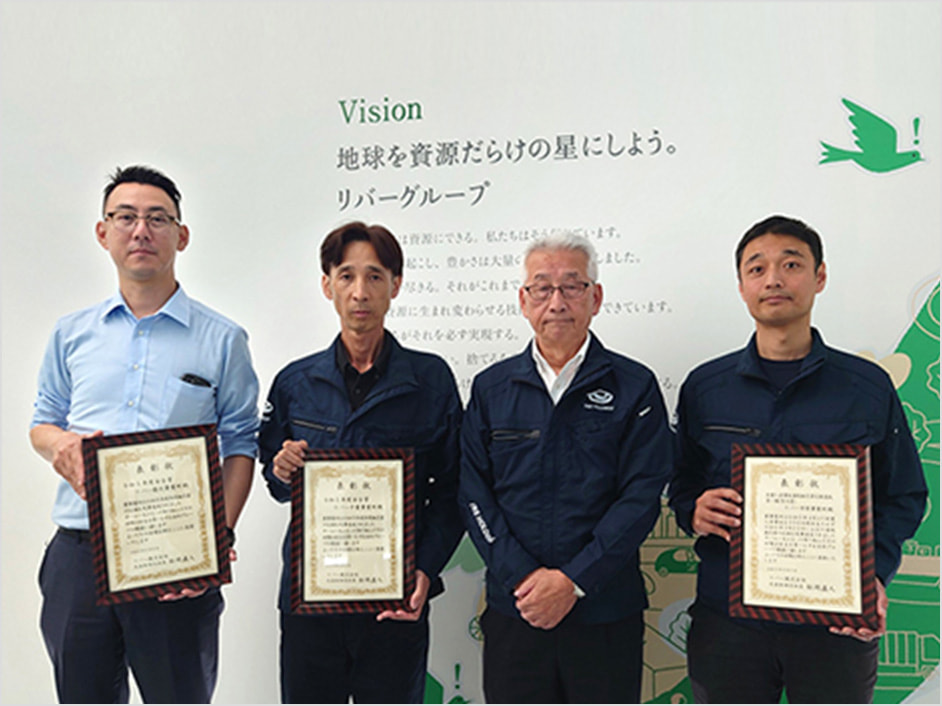
The TAKEEI Group has also established an award system for sites that have achieved zero accidents or disasters. TAKEEI aims to use this system works to further raise awareness of safety, and the Group is working as one to achieve zero accidents and disasters.
Promoting workplace health and safety management
Each of the Group’s operating companies has established their own safety management systems. Under the leadership of top management, health and safety managers and the safety management division at each work site work together to improve the effectiveness of safety management, and identify and address any problems or issues.
In the event of an accident, we promptly investigate the cause and study and implement measures to prevent recurrence. We have established a system for sharing information on serious accidents or disasters across the Group, and promote a range of safety management initiatives to prevent similar accidents or disasters from recurring.
In addition, to maintain and improve the physical and mental health of our employees we conduct regular stress checks and strive to ensure appropriate management of working hours.
Initiatives to enhance our organizational strength
Attracting and retaining talent
With Japan's birthrate declining and its population aging rapidly, the country’s working population ratio is projected to decline from 63.8% in 2010 to 58.1% in 2030. Accordingly, we are stepping up our efforts to recruit young talent.
The ability to secure a stable source of talent is also a pressing issue for the TRE Group. As part of our recruiting efforts, we are working to share our hiring know-how across the Group in order to enhance new graduate hiring at our Group companies, as well as broadening our recruiting scope, such as hiring mid-career talent.
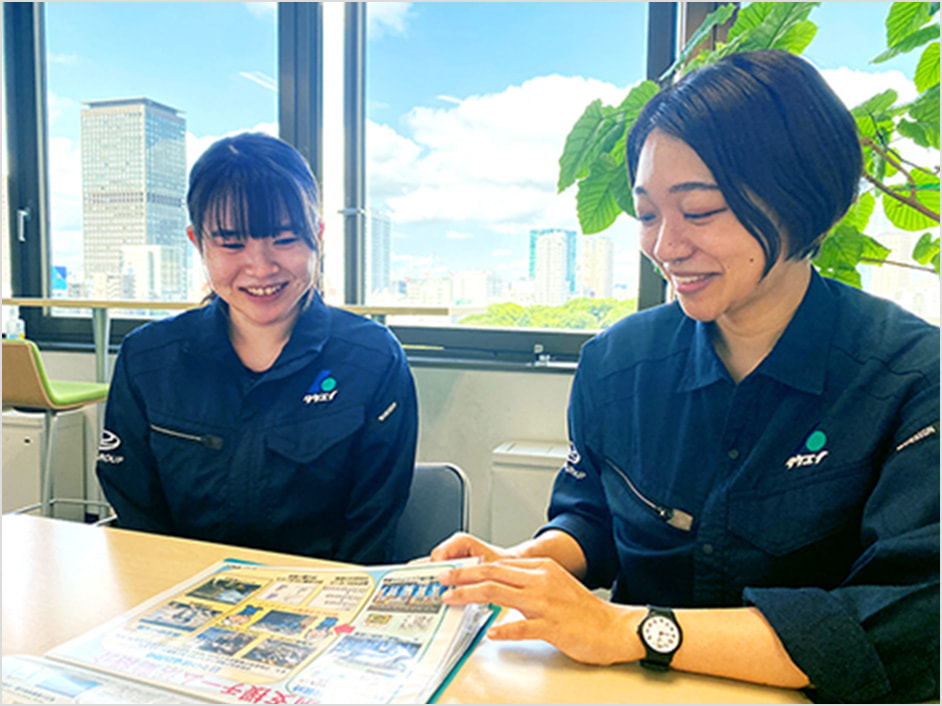
One initiative TAKEEI CORPORATION implements as part of its talent retention efforts is the “Elder System,” in which young employees serve as trainers tasked with supporting new junior employees and providing practical guidance and advice on workplace life over the course of their first year. This also helps the young employees serving as instructors to improve their communication skills and practical leadership abilities. In addition, TAKEEI’s Kawasaki Recycling Center and other facilities have created multilingual educational materials and notices in their workplaces, which incorporate a variety of illustrations and photographs, in order to ensure safe working conditions and increase retention of the foreign workers employed by the company.
Promoting diverse work styles and supporting career development
Expanding efforts to promote women’s career development
The Group does not discriminate based on gender, and we have female employees succeeding in a variety of areas including factory work, sales, planning and management. In addition, in view of changing career preferences and working environments, we are working to make a variety of career paths available to our employees, prevent the loss of talent through resignation, help recruit of talented personnel locally, and promote women's career development by creating an environment that allows women to continue working after childbirth and while raising children. Programs in this area include the Limited Area Career-track System that makes it possible for employees to advance their career without relocating, and the introduction of the Job Group Change System that allows flexibility for employees wishing to change job groups in line with their career aspirations.
At present the ratio of female managers in the Group is 5.2%, but have set a target of doubling the number of female, and are actively working to improve the business and work environment and promote employees to management positions based on their abilities, regardless of gender.
Support for balancing work with childcare and care-giving
The Group has introduced Reduced Working Hours for Childcare System to support employees caring for children. It allows them to choose to work six or seven hours in a day until their children graduate from elementary school. To support care-giving, we have made care-giving leave, caregiving absences and reduced working hours available so that employees can focus on caring for their families without worry. Going a step further, the REVER Group has introduced an Accumulated Paid Leave System for employees with family members who need care, allowing them to accumulate paid leave that would otherwise expire.
TAKEEI CORPORATION also has a Comeback System that provides recruitment information to former employees who left because of childcare, care-giving, a spouse’s transfer or another reason but wish to rejoin the company. We are also working to enhance systems that make it possible for individual employees to adopt their preferred working styles depending on their circumstances.
Supporting self-directed career development
To respect the wishes of the individual when it comes to personnel placement, the Group provides opportunities for employees to convey their ideal career plans to their supervisors and the human resources department so that, by increasing mutual understanding between the company and the individual, we can create an organization where individuals can exhibit their abilities to the fullest.
TAKEEI CORPORATION also distributes a Job Card annually where employees can enter the future tasks and transfer locations they are interested in, providing an opportunity for them to challenge themselves in the jobs they are aiming for of their own accord. The company has also introduced an Internal Recruitment System designed for the optimal placement of motivated personnel in departments that need them. Going forward, we will promote initiatives to encourage self-directed career development by expanding opportunities for career choice within the company, including expanding the operation of the Internal Recruitment System.
Local Community
Living and thriving together with the local community
Basic approach to social contribution
The TRE Group regards its social contribution activities as key initiatives that contribute to the sustainable growth of both society and its business, in order to continue coexisting with society as a member of the local community. As a company that aims to solve societal challenges through our environmental businesses, we also believe that communicating the Group’s initiatives to local residents and other stakeholders an important part of our mission, and are focusing on initiatives related to environmental education.
Furthermore, we believe that active participation in volunteer and charitable programs that address local challenges and needs is essential in order to establish a relationship of trust with the local community and to grow together. We contribute to the development of local communities and the environment through our activities, as well as provide donations and other forms of societal support, taking into account the social and public benefit of each program. The CSR and Sustainability Promotion Department leads social contribution initiatives in collaboration with the TRE Foundation for SDGs Promotion, Group companies, and related divisions.
Initiatives by the TRE Foundation for SDGs Promotion
The TRE Foundation for SDGs Promotion promotes a range of initiatives aimed at achievement of the SDGs in order to protect our precious earth with its bountiful land, forests, and oceans (Only One Earth®), and pass it on to the next generation. We will continue to actively pursue social contribution activities related to the SDGs as well as environmental preservation programs in and around the municipalities and local communities in which we operate.
- Social contribution activity-related expenditure and number of participants
- 630employees in total
- Expenditure on social contribution activities
- 425million yen
(as of March 2025)
Social contribution activity-related expenditure and number of participants
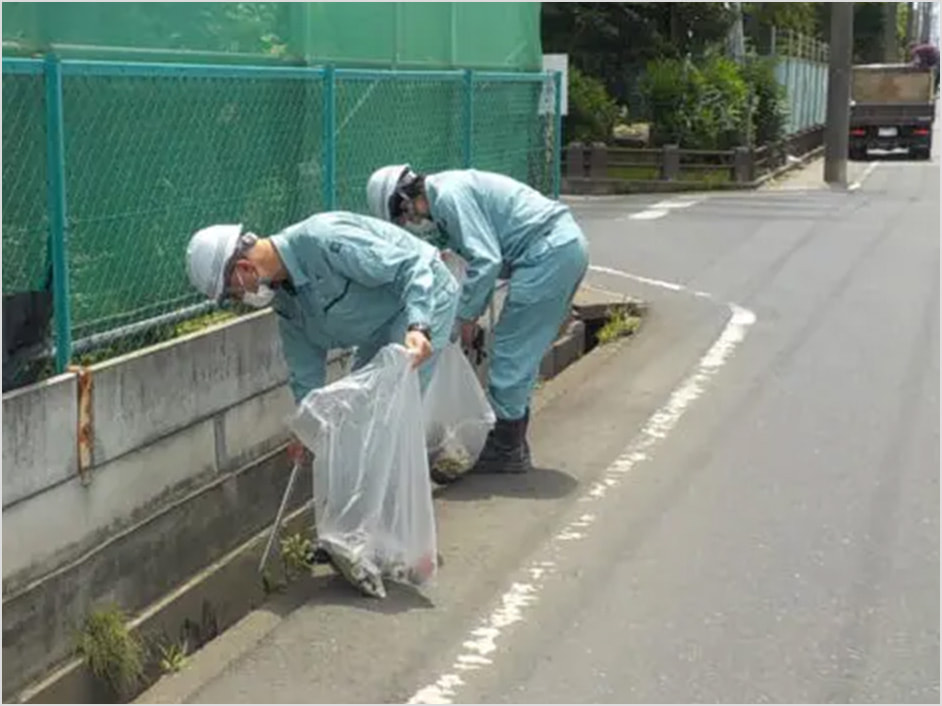
The TRE Group conducts a variety of social contribution initiatives. We also believe it is important for our employees to be involved in environmental conservation initiatives. The TRE Foundation for SDGs Promotion creates opportunities for employees to participate in such activities by planning and implementing cleanup events. In addition to the Foundation’s initiatives, our respective Group companies participate actively in environmental conservation initiatives conducted in the local communities near our business sites.
Initiatives to conserve the local environment
Afforestation initiatives in collaboration with welfare-related companies
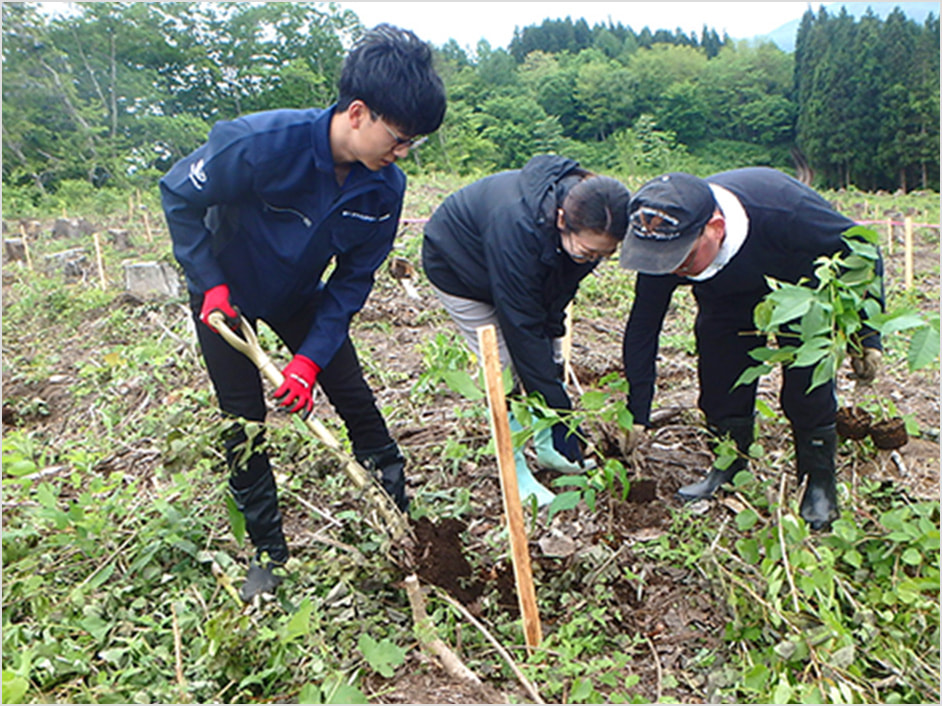
In May 2024, the second lacquer tree planting festival was held in Hirakawa
City, Aomori, with support from Tsugaru Biomass Power Generation Co., Ltd., Tsugaru Biomass Chip
Co., Ltd., and Kirin Corporation, which operates a Type B support for continuous employment
facility in Hirakawa City. The majority of the lacquer currently used in Tsugaru Nuri, a
traditional handicraft of Aomori Prefecture, is thought to be produced overseas, and this
initiative aims to produce domestically-produced lacquer from locally-grown lacquer sap.
Following 7 to 10 years of cultivation, we plan to extract the sap and sell it to the local
lacquerware organizations such as the Tsugaru Nuri Craftsmen’s Association. After sap extraction
the lacquer trees will be logged for use as fuel for Biomass power generation.
By repeating this process, we will work to ensure sound forest growth and management. This
year—the program’s second year, 700 trees were planted—bringing the total number of trees
planted to approximately 1,000. A user of Kirin Corporation’s facilities who participated in the
event commented, “It was hard work planting the trees, but I had fun.” Going forward, we will
continue working to achieve the SDGs through partnerships between forestry and welfare
organizations.
Supporting cleanup efforts at Lake Suwa Fireworks Festival
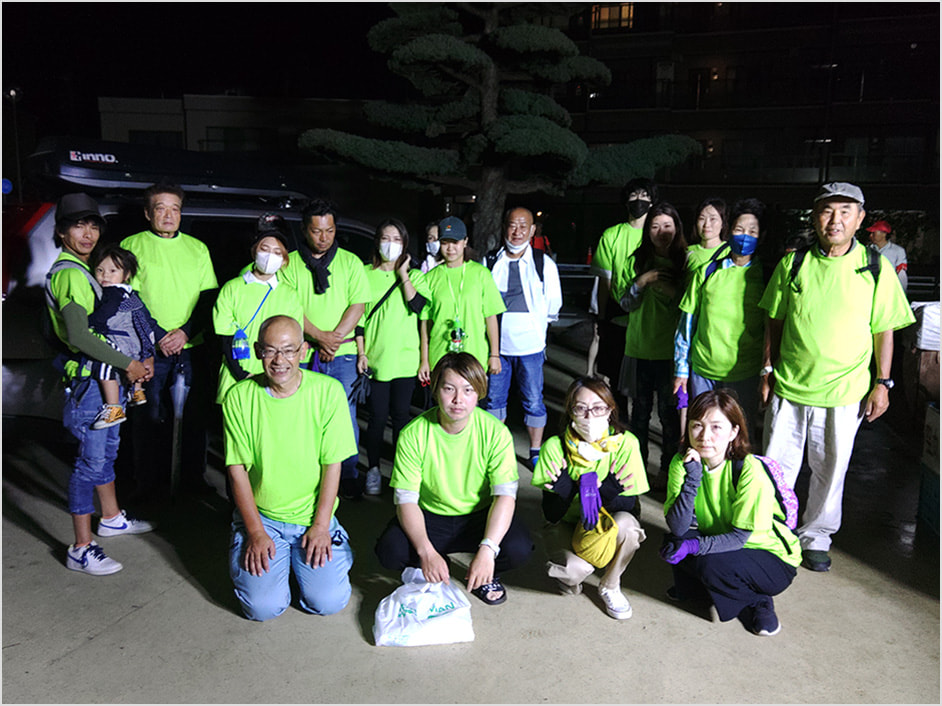
Shinshu Takeei Co., Ltd., based in Suwa City, Nagano, has been an ongoing co-sponsor of the Lake Suwa Fireworks Festival— one of Japan’s largest fireworks displays. The 75th annual display, held in August 2023 on the usual scale for the first time in four years following the COVID-19 pandemic, proved a huge success, attracting many visitors from throughout the country. Shinshu Takeei strove to conserve the local environment as a regional company by working together with local residents to install garbage stations at the event site and to clean up after the display.
REVER’s Ichihara Plant hosts plant tours as part of Ichihara Environment Festival
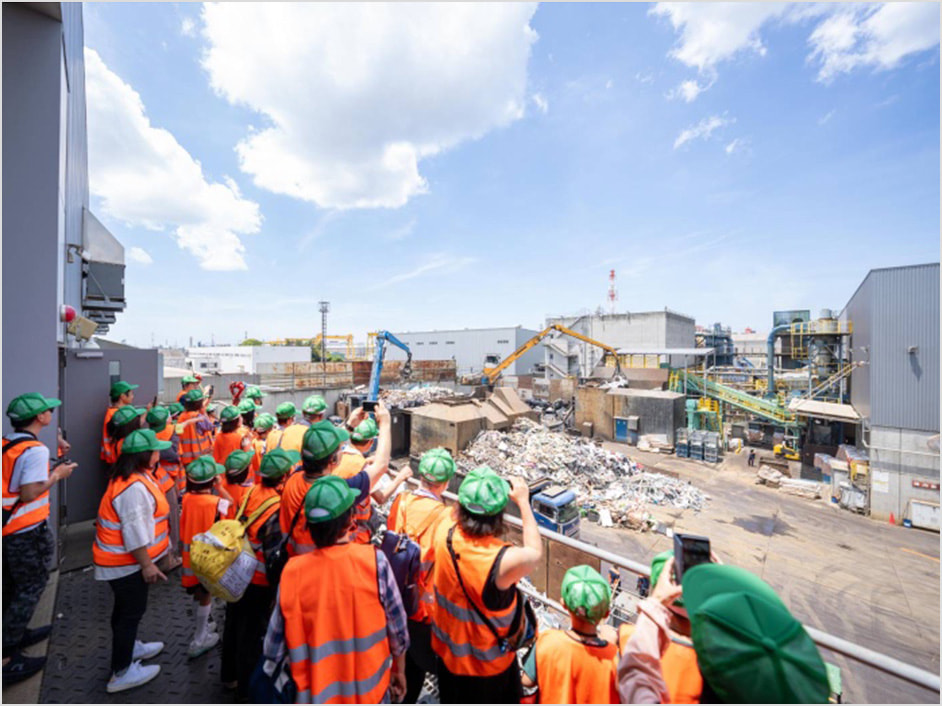
On June 8, 2024, REVER CORPORATION’s Ichihara Plant supported the 9th Ichihara
Environment Festival organized by Ichihara City by hosting a plant tour for 30 interested
participants who gathered at the site on the day. The visitors enjoyed seeing how used home
appliances are dismantled and end-of-life vehicles are shredded. When a vehicle was put into the
pre-shredder and crushed, the participants let out a cheer of excitement at the sheer power of
the machinery.
The tour also featured a section in which the participants discussed recycling together,
including what would happen if recycling was not carried out. We received many questions and
comments from the participants during the tour, and the day proved an excellent opportunity for
them to deepen their understanding of the environment.
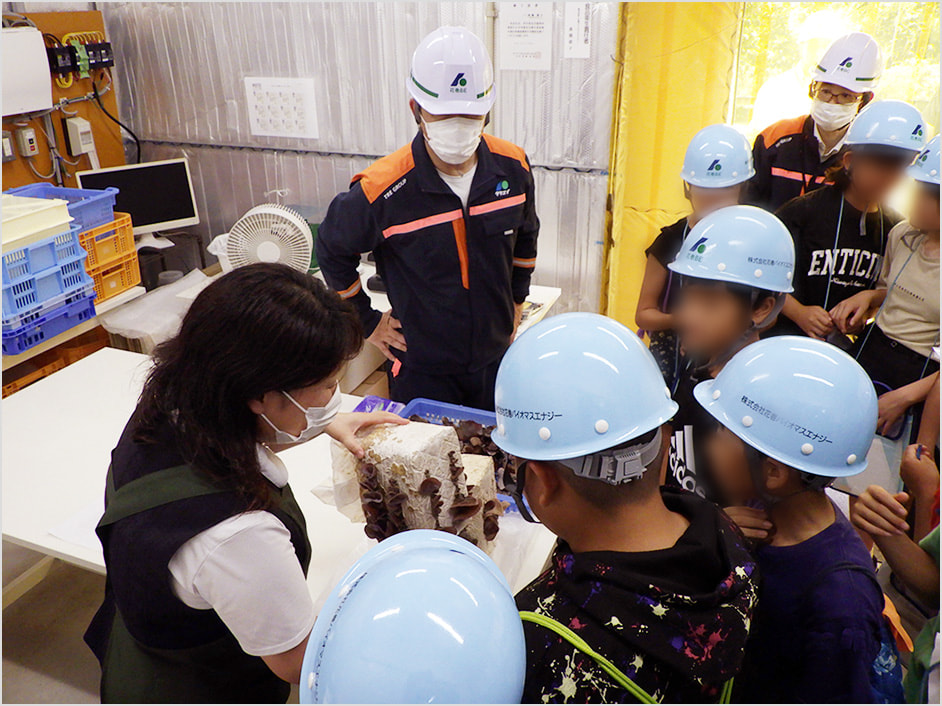
Hanamaki Biomass Power Generation Co., Ltd. and Hanamaki Biomass Chip Co., Ltd. host a social studies field trip
Following on from 2022, in September 2023 Hanamaki Biomass Power Generation
Co., Ltd. and Hanamaki Biomass Chip Co., Ltd. hosted 36 fifth grade students from nearby
Hanamaki Municipal Yuguchi Elementary School as part of a social studies field trip.
The tour proved an informative opportunity to learn about local production for local consumption
of electricity, with the children fascinated to discover that the fuel used to generate
electricity is thinned wood from local forests, that this electricity is supplied to their
school, and that the wood ear mushrooms they eat in their school lunches are grown using the
residual heat generated during power generation. Comments from the children included, “I thought
that recycling the ashes from burning wood into cement was very environmentally-friendly,” and
“The wood ear mushrooms that we ate in our school lunch were really delicious.” Going forward,
we will continue to provide opportunities for children in the local community to learn about the
SDGs.